Many tagata Niue overseas long to return home, yet there are many barriers to crossing the bridge including the cultural, language, and history knowledge. The Niue Women Climate Justice Alliance has developed an integration program that addresses these unique challenges and unlocks the path to reconnect with home for any tagata Niue wanting to access it.
Developed by tagata Niue for tagata Niue
Cultural sensitivity and relevance
Flexible & Practical Learning
Experience the practical and empowering course online for the first two modules followed by a practical third module in Niue.
Empowerment Through Knowledge
Equip yourself with everything you need to consider returning home and contribute to a vibrant and equitable Niue.
Build Community
Connect with fellow tagata Niue who share your aspirations and dreams.
(Re)connect to Our Culture & Language
Deepen your understanding of Niue culture, language, and traditions.
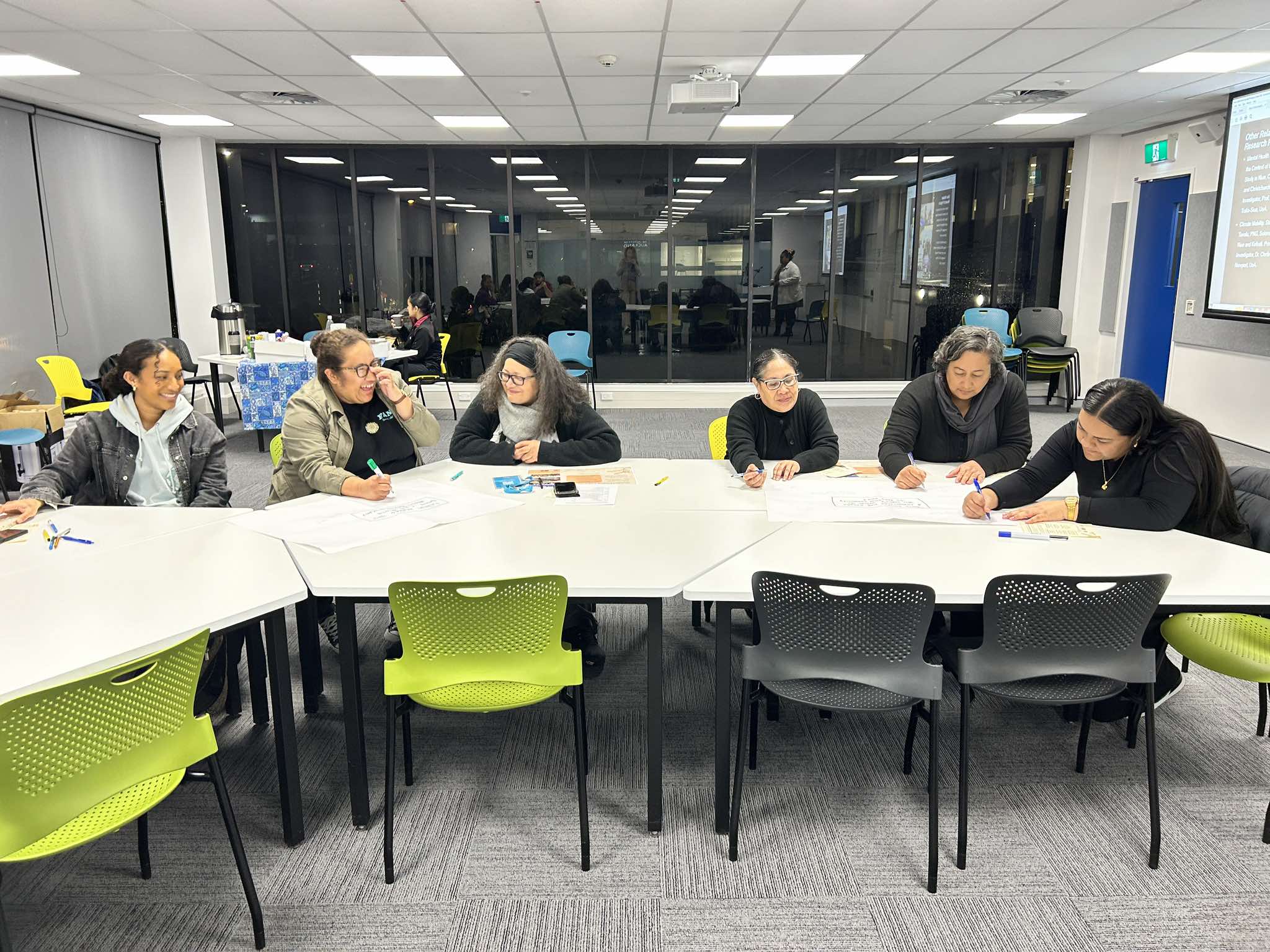
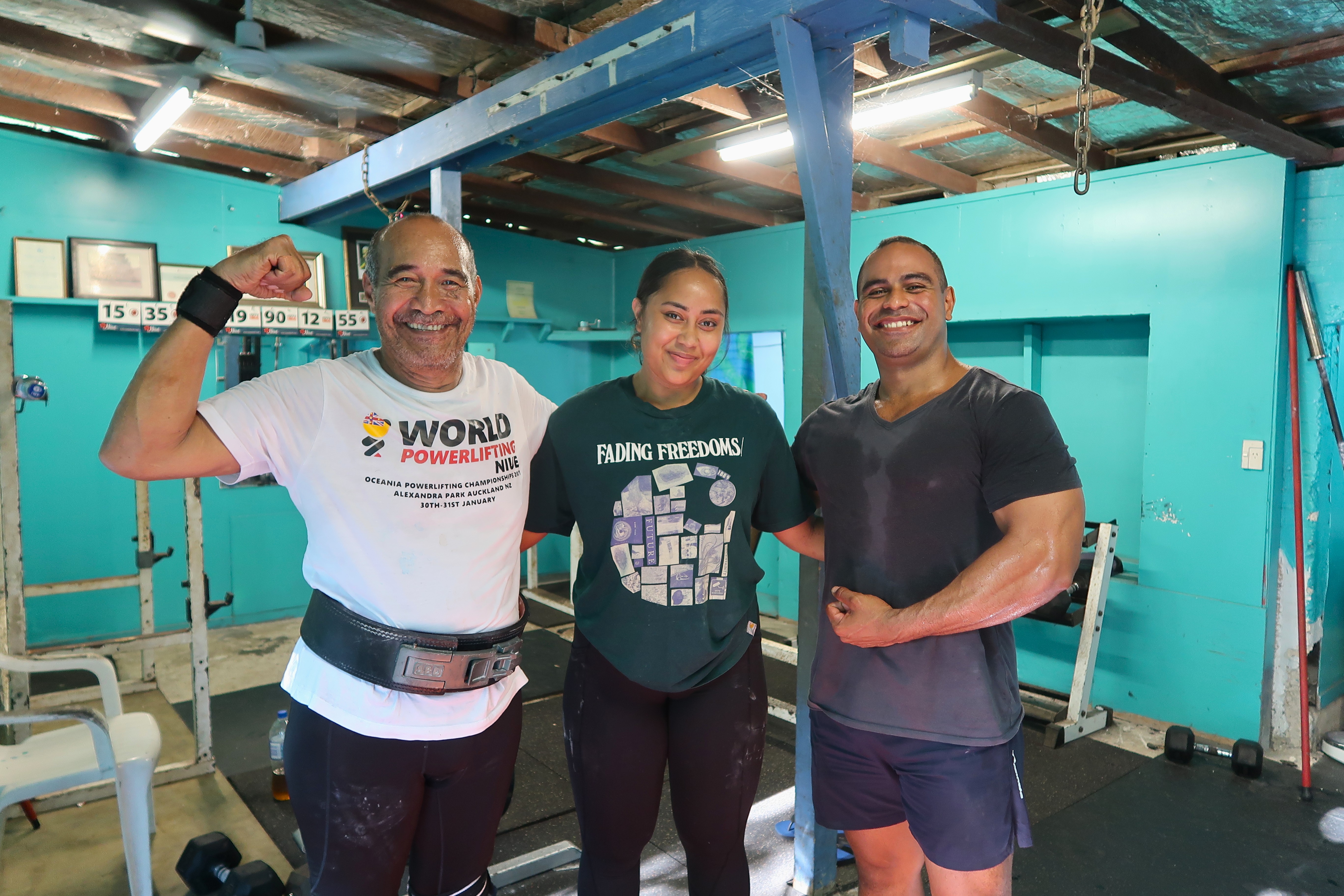
Reconnect. Learn. Contribute.
Enrollment is now open for Module 2 through 28 February 2026.
Invest in yourself and your future
Learn in community
What You'll Learn
This is the pilot round of the course and is hosted by Makefu Village. All tagata Niue are warmly invited to join this pilot and will be the first graduates of this soon-to-be national program.
Module One: Grounding & Identity
Explore identity challenges, population trends, and the rich tapestry of Niue culture and language.
Delve into Niue's history including European contact, the impact of Christianity, colonialism, and the journey to self-governance.
Module Two: Place & Lifestyle
Understand Niue's customs, traditions, and land use. Build a critical foundation for reconnecting to community.
Learn about faith, spirituality, employment opportunities, and the structures of Niue's public service, civil society, and private sector with an eye to consider how you might engaging in community and workforce yourself.
Module 3: Practical & Service (in Niue)
Experience learning in-country. Engage with the community, church, and agriculture and fisheries. Discover local food practices, village communities, and secure employment opportunities.
Participate in national groups and celebrate achievements with an awards night.
Meet Your Course Convenor
Jama’l Talagi-Veidreyaki
Jama’l, also known as Silauana, was born and raised in Niue. Culture, customs and traditions are an important part of life growing up, a lifestyle she chose after many years of study abroad. Jama’l holds a Degree in Marine Affairs and Economics, from the University of the South Pacific, Fiji, and a Master's Degree in Public Policy from the University of Auckland, New Zealand. She served as a public servant for the Government of Niue at the Department of Agriculture and Fisheries for ten years and two years as an executive at the Premier’s Department (now, the Prime Minister's Department). Jamal now works full time in the private sector, as a consultant, researcher and community projects manager, specialising in the areas of climate change, agriculture, biodiversity, and civil society.
Where did this course come from?
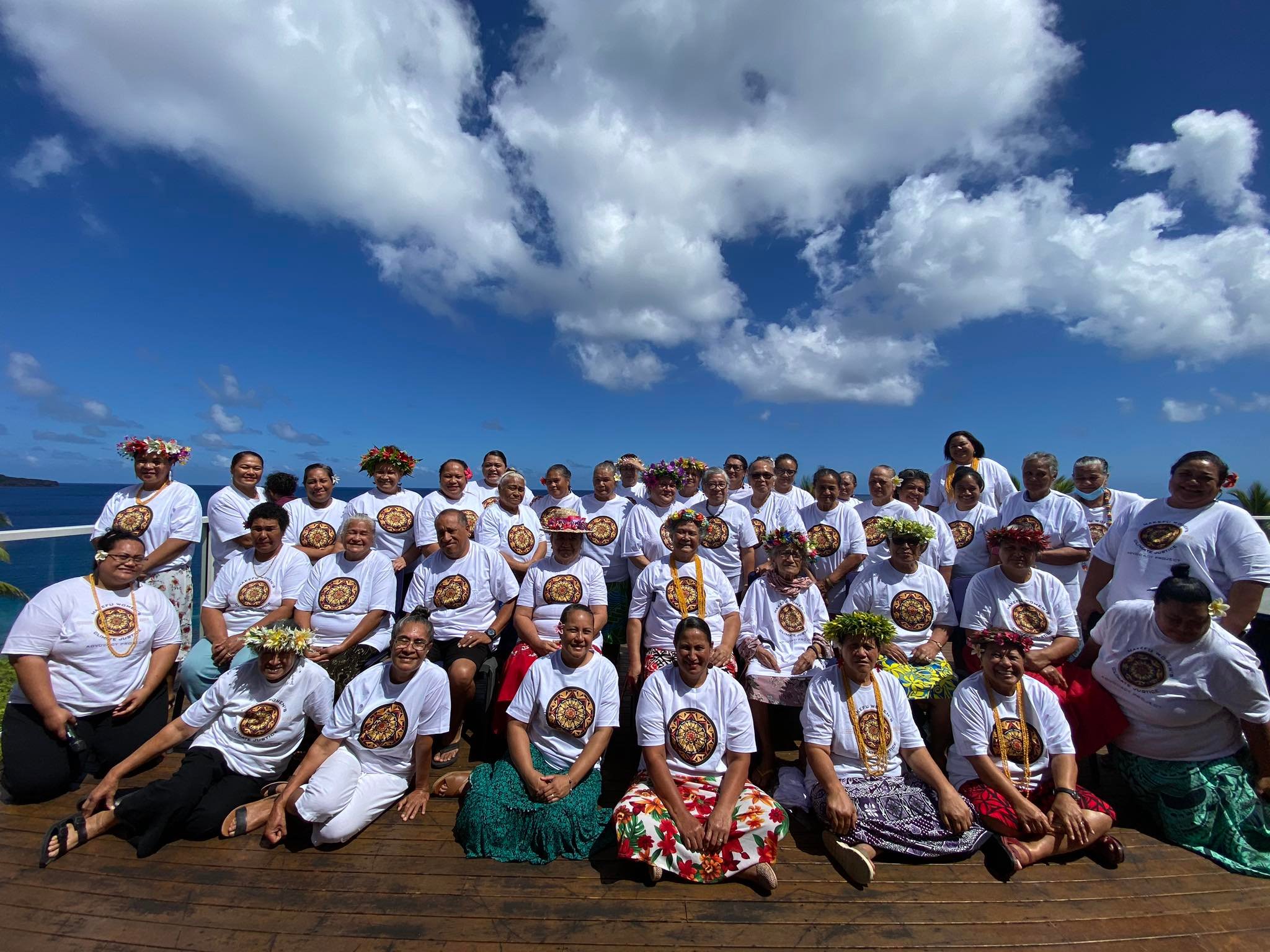
The impacts of climate change represent the pressing challenges for the people of Niue, exacerbating vulnerabilities in our small island nation. In 2022, the women of Makefu village, led by Jamal Talagi-Veidreyaki, Etaena Poihega (Makefu Village Council Chairwoman), and Erin Thomas (Director, ICAAD), initiated a Climate Justice Advocacy Project, “A gendered approach to understanding the impacts of climate change and gender-based violence.” The project led to the establishment of the Niue Island Women Alliance for Climate Justice (NIWA4CJ), a platform of women advocates for climate justice, accelerating action on the impacts of climate change, namely relocation of West Coast Communities to the Upper Terrace as climate adaptation and resilience.
The Makefu Women and the NIWA4CJ identified “safety for all families” and “cohesion” as the feminist principles to support relocation of West Coast Communities from the lower terrace of the Island to the upper terrace. However, Niue still lacks human resources and a strong civil society to support the workforce needed to achieve our adaptation, resilience, and development aspirations.
Following extensive discussions across Niue, New Zealand, and online, the team validated the significant aspirations among tagata Niue to return to live and work in Niue. The concept of building this bridge home is not new. Others, including Birtha Togahai and Inangaro Vakaafi, have explored bridging program before. However, they faced constraints and insufficient support to sustain the program. These visionaries have emphasised the critical need for enhanced cultural and linguistic support, which serves as a fundamental component of an individual's connection to Niue.
This Culture and Language Bridging Course presents a potential climate solution for Niue, focusing on strategies to retain the existing population, particularly young skilled individuals, and to encourage the diaspora to return permanently or establish living arrangements. This would allow them to contribute to Niue's adaptation, resilience, and development goals. The course builds upon the collective knowledge of all tagata Niue who have explored these issues, both formally and informally, including the Makefu Women and the Niue Women Alliance for Climate Justice.
The preservation and care of Niue, as we know it today, has been a legacy of our ancestors, guided by cultural values. This course offers more than just education; it is a culturally grounded and empowering journey, providing tagata Niue with the resources to create a resilient future, deeply connected to their heritage and their homeland.
Read more about how the course was created
Meet the Team
This course brings together the visionaries of prior Bridging Initiatives, culture & language specialists, climate resilience leaders, and civil society and human rights advocates to offer a full suite of resources for course participants.
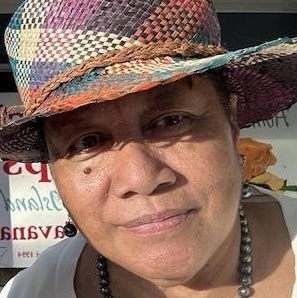
Former Director, Niue Department of Education
Birtha has extensive experience in Niue education. In addition to the many hats she’s worn throughout her career, her credentials include: MEd (USQ, Aust), PostGradCert HR (USP, Fiji), Cert in Adult Teaching (Open Poly, NZ), GradDipLT (UNITEC, NZ), CLTA (AUT, NZ) & BA (USP, Fiji).
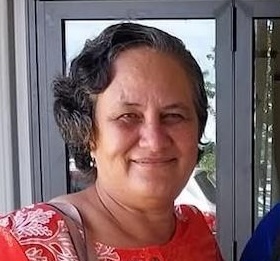
Former Director, Taoga Niue
Moira spent 20 years developing Taoga Niue (Niue Cultural Heritage) since it was first established in 2003. This included the rebuilding and restoration of the Niue National Museum and Archives after the severe devastation of Cyclone Heta in 2004. She is a cultural activist and advocates for sustaining Niue livelihoods. She also organically grows her own food and works to strengthen and maintain Niue identity and values.
Manager, Niue National Disaster Management Office
Robin is the Head of the National Disaster Management Office (NDMO) in Niue. He is also the Chairperson for the Alofi South Village Council and a Niue Land Commissioner. He wears multiple hats in the community and helps to support the various family businesses.
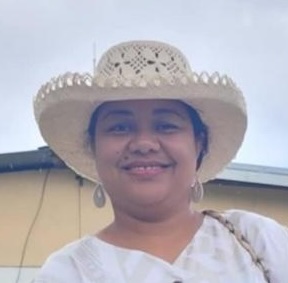
Chairperson, Makefu Village Council
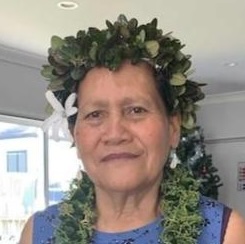
Culture & Language Advisor
Maryanne is the Former Acting Director of the Niue Campus of the University of the South Pacific and Former Village Councillor for Makefu. She is a scholar of Vagahau Niue and Niue culture and has a Postgraduate Diploma in Pacific Studies, Bachelor of Arts in Library Information Studies, and a Certificate in the Vernacular Vagahau Niue.
Coordinator, Niue Women Alliance for Climate Justice
Jamal holds a Degree in Marine Affairs and Economics, from the University of the South Pacific, Fiji, and a Master's Degree in Public Policy from the University of Auckland, New Zealand. She served as a public servant for the Government of Niue at the Department of Agriculture and Fisheries for ten years and two years as an executive at the Premier’s Department (now, the Prime Minister's Department). Jamal now works full time in the private sector, as a consultant, researcher and community projects manager, specialising in the areas of climate change, agriculture, biodiversity, and civil society.
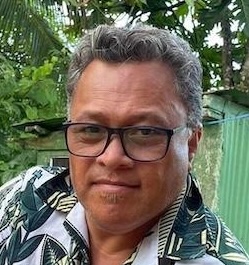
Local Consultant and Researcher
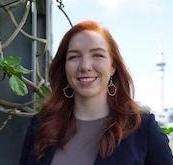
Director, Change Facilitator at ICAAD
Created by the Niue Women Alliance for Climate Justice
With support and collaboration from

Enrollment Options
Enrollment for Module One is now open. Participants must complete modules in order, and you can express interest in Modules Two and Three on the Module One enrollment form.
Join a welcoming online learning community of tagata Niue on similar journeys
Build a stronger foundation in your Niue identity, wherever you are in the world
Engage in live discussions and storytelling with guest speakers
Access online materials and flexible activities in your own time
Everything in Module 1, plus:
Learn how land, customs, faith, and service shape everyday life in Niue
Gain practical insights into Niue’s employment landscape, civil society, and leadership structures
Develop your cultural fluency and start preparing for life and work in Niue
Deepen your engagement with the supportive learning community through additional live sessions and creative assignments
Everything in Modules 1 & 2, plus:
Experience in-person learning in Niue rooted in culture and service
Explore food systems, traditional knowledge, and pathways to employment in Niue
Build relationships to last a lifetime
Celebrate your learning journey with an Awards Night
Frequently asked questions
Module 1 runs for 6 weeks. We'll then collectively decide on deadlines after the end of the course for final assignments among the cohort to accommodate everyone's schedules while ensuring we all stay on the journey together
Modules 1 and 2 are online, and we're more than happy to connect people who live in the same areas for study groups and in-person gatherings. Most of the course content and assignments will be at-your-own pace, and there will be a handful of live discussions online with guest speakers and opportunities to get to know each other in the cohort.
The live sessions will be in the evenings, and we'll arrange dates depending on the availability of our cohort and guest speakers. The rest of the content will be at-your-own-pace with a shared deadline to complete the main assignments.
This will be the foundation to supporting your unique identity as tagata Niue and providing space to explore Niue's history, culture, and language as it relates to your own identity. More than reading about facts in a textbook, Module 1 is focused on the information (honouring diverse perspectives) and what it means to you and how you make sense of your place in Niue and your own identity. This foundation prepares you for Module 2's focus on practical knowledge for integrating into life in Niue.
After completing the course, you’ll have the knowledge, skills, and connections to effectively engage with Niuean culture and community. Whether you choose to visit, move back, or simply stay connected, you’ll be equipped to contribute to Niue’s future.
Absolutely! The course is designed to encourage you to start or continue your language learning journey. The language you’ll learn in the course is only as it relates to culture. Course participants will be supported no matter where they are in their language journey.
Each module is $500 NZD.
Course fees go towards sustaining the course and ensuring that it can be run regularly for tagata Niue looking to reconnect. Funds will also support the broader mission of the program, being climate adaptation and resilience efforts in Niue.
Module 3 requires you to travel to Niue for the hands-on component. You may also choose to complete only the first two modules, which are both online, if this is untenable.
Module 3 will also be a short course (up to 6 months). Participants who complete modules 1 and 2 will have the option to start module 3 shortly after in the summer of 2026. However, we also plan to accommodate alternative timelines. As this is the pilot, we've had so much exciting support to bring together all the components, and we're excited for our pilot cohort to help us shape the experience.
This course is not a dedicated language learning program. In Modules 1 and 2, you'll learn basic introductions, key cultural terms, and one traditional song, but the real focus is on understanding why Vagahau Niue matters for our identity and culture, exploring your own relationship with the language, and connecting you with resources and people for deeper language learning. The best way to learn Vagahau Niue is through practice, and Module 3 will include ample opportunities to practice and learn in country.
The course connects you with pathways for ongoing language learning, including the Centre for Pacific Languages (online and face-to-face classes), community language groups, family connections, and other resources. Think of this course as helping you understand why Vagahau Niue matters and building relationships that support your language journey, not as comprehensive language learning itself.
This is such an important point that we've explored at length. In our conversations, workshops, and consultations, this fear of being worn down by negative perspectives has come up repeatedly. The course has been built to be strengths-based and community-focused. This means we'll be setting important expectations about how participants will interact with one another in order to maintain an uplifting and empowering space. Additionally, the course content has been designed to accommodate a range of learning styles and be as practical as possible for an online course. There will be many opportunities to apply your learning and draw in others' perspectives while still having this empowering space together to learn and process.
Contact Jamal, the course administrator, at jamal.veidreyaki [at] gmail.com with any outstanding questions.